

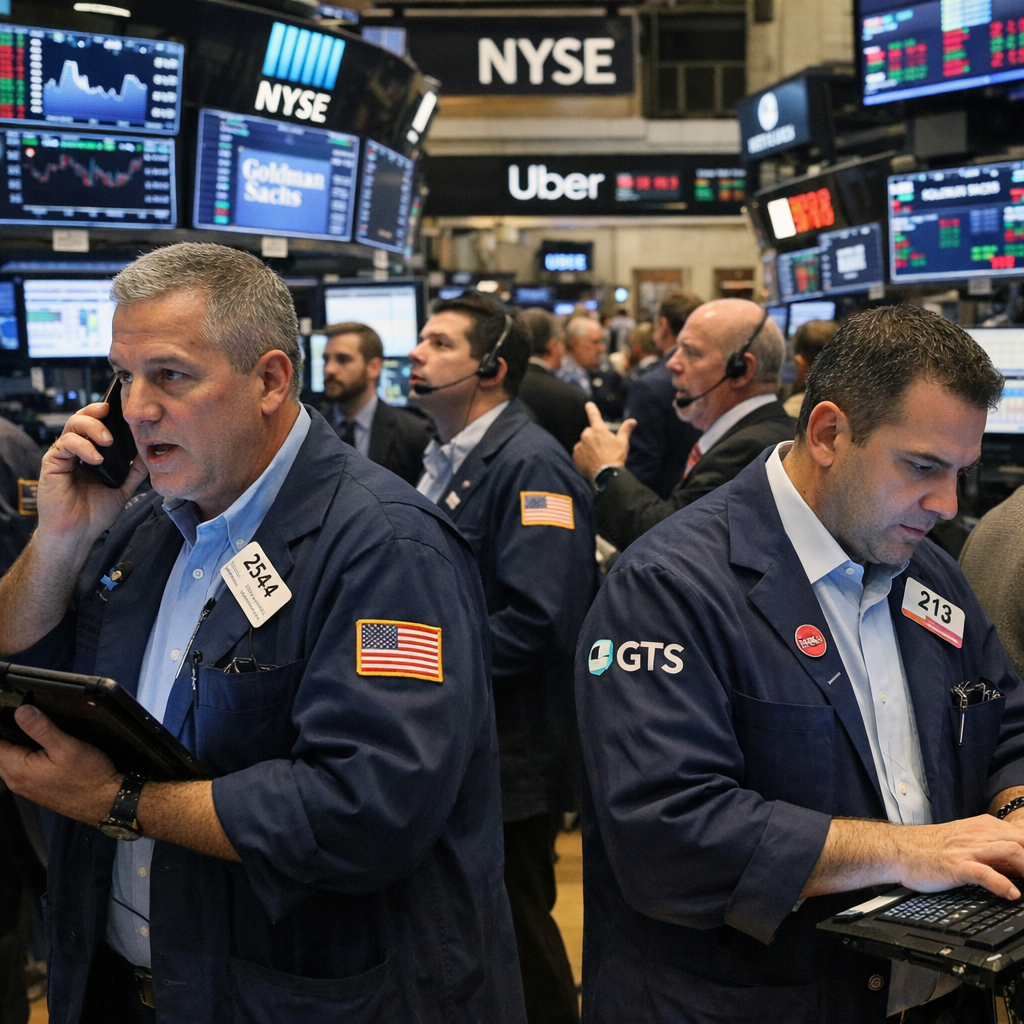
The U.S. economy is experiencing a period of significant activity, with various indicators reflecting both growth and challenges. Here’s an overview of the current economic landscape:
Economic Growth
Recent reports indicate that the U.S. economy is poised for accelerated growth. The International Monetary Fund (IMF) projects a 2.4% increase in gross domestic product (GDP) for the fourth quarter of 2026, up from 2.2% in the previous year. This growth is accompanied by a decrease in unemployment, with rates expected to drop from 4.5% in late 2025 to 4.1% in 2026. Additionally, inflation is anticipated to align with the Federal Reserve’s 2% target by 2027.
Inflation and Consumer Sentiment
Despite positive growth projections, inflation remains a concern. In April, inflation rose to 3.8%, the highest in three years. This increase has impacted consumer sentiment, with a CBS News/YouGov poll revealing that 70% of Americans feel “angry” or “frustrated” about the current economic situation. Rising energy costs, particularly due to geopolitical tensions affecting oil prices, have contributed to this sentiment.
Federal Reserve Policies
The Federal Reserve has been actively monitoring these developments. After cutting its benchmark interest rate three times in 2025, the Fed is considering further adjustments. IMF Managing Director Kristalina Georgieva suggested that the Fed could afford to lower rates to around 3.4% from the current 3.6%, provided there isn’t a significant deterioration in the job market.
Trade and Tariffs
Trade policies continue to influence the economic landscape. The Supreme Court recently struck down President Donald Trump’s reciprocal tariffs, introducing new uncertainties for consumers and businesses. This decision underscores the complex interplay between trade policies and economic performance.
Conclusion
While the U.S. economy shows signs of growth and resilience, challenges such as inflation, consumer sentiment, and trade uncertainties persist. Staying informed about these developments is crucial for understanding the broader economic context.